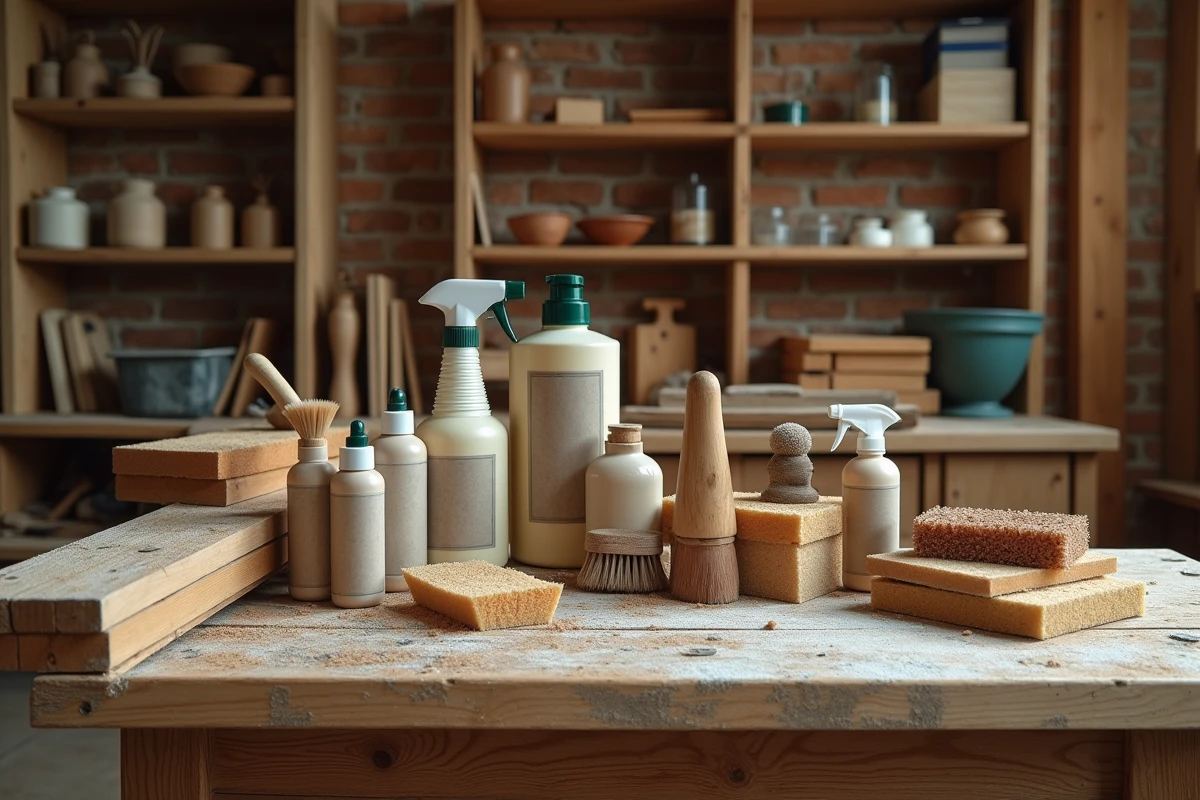
The choice of a wood cleaner primarily depends on the finish of the surface (oiled, varnished, raw, stained) and the context of use (indoor or outdoor). Formulations have evolved since 2024 with the rise of eco-labeled ranges and the gradual restriction of biocidal substances in products intended for outdoor wood. We have selected ten products by cross-referencing their chemical compatibility with common finishes, their VOC profile, and their effectiveness in the field.
1. Anova Bois N100 – all-purpose cleaner for outdoor wood
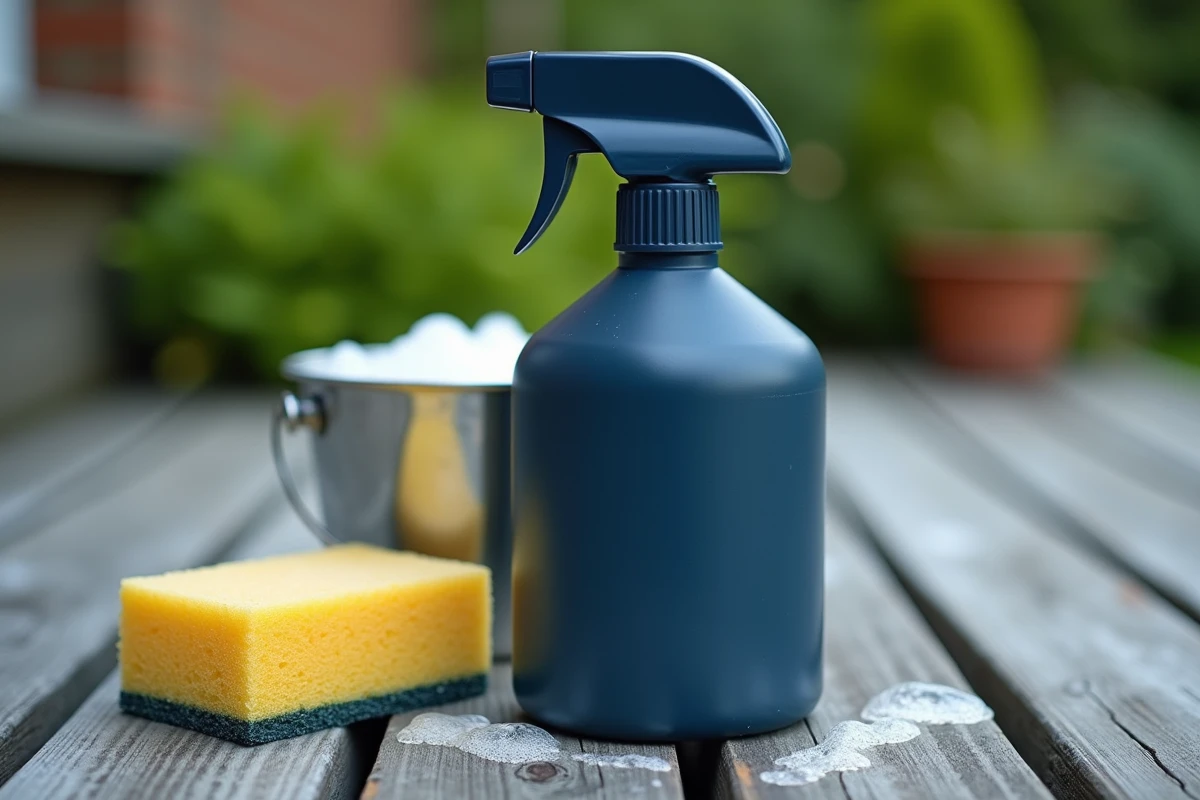
Anova Bois N100 remains the benchmark for cleaning terraces and cladding. Its concentrated formula, which can be diluted in water, acts on moss, black marks, and greasy deposits without altering the wood’s color. It can be applied with a low-pressure sprayer or a brush, with a short application time.
Compatible with dense exotic woods like ipe or cumaru, it penetrates despite the low porosity of these species. For softwoods like pressure-treated pine, we recommend reducing the concentration to avoid excessive lightening. This product is featured in MetamorpHouse comparisons for its performance on weathered wood.
2. Starwax gentle cleaner for parquet and laminate
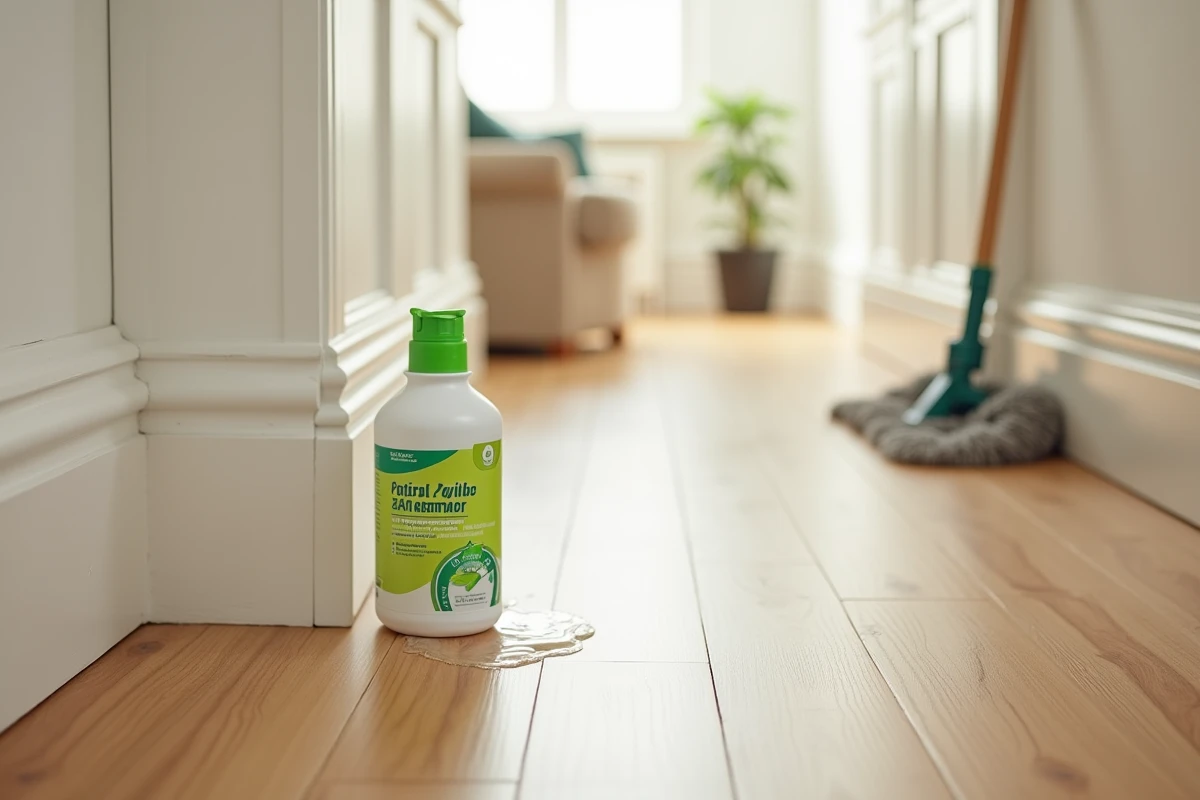
This cleaner targets varnished, oiled parquet and laminate floors. Starwax has reformulated its range to reduce VOCs and sensitizing fragrances, in compliance with ANSES recommendations on indoor air quality. The product is used diluted in a bucket of warm water, applied with a microfiber mop without rinsing.
Its neutral pH preserves the varnish layers. On oiled parquet, it cleans without dissolving the protective greasy film, provided it is not overdosed. Limitations: ineffective on ingrained stains or residues of old wax, which require a specific stripper.
3. Syntilor outdoor wood cleaner
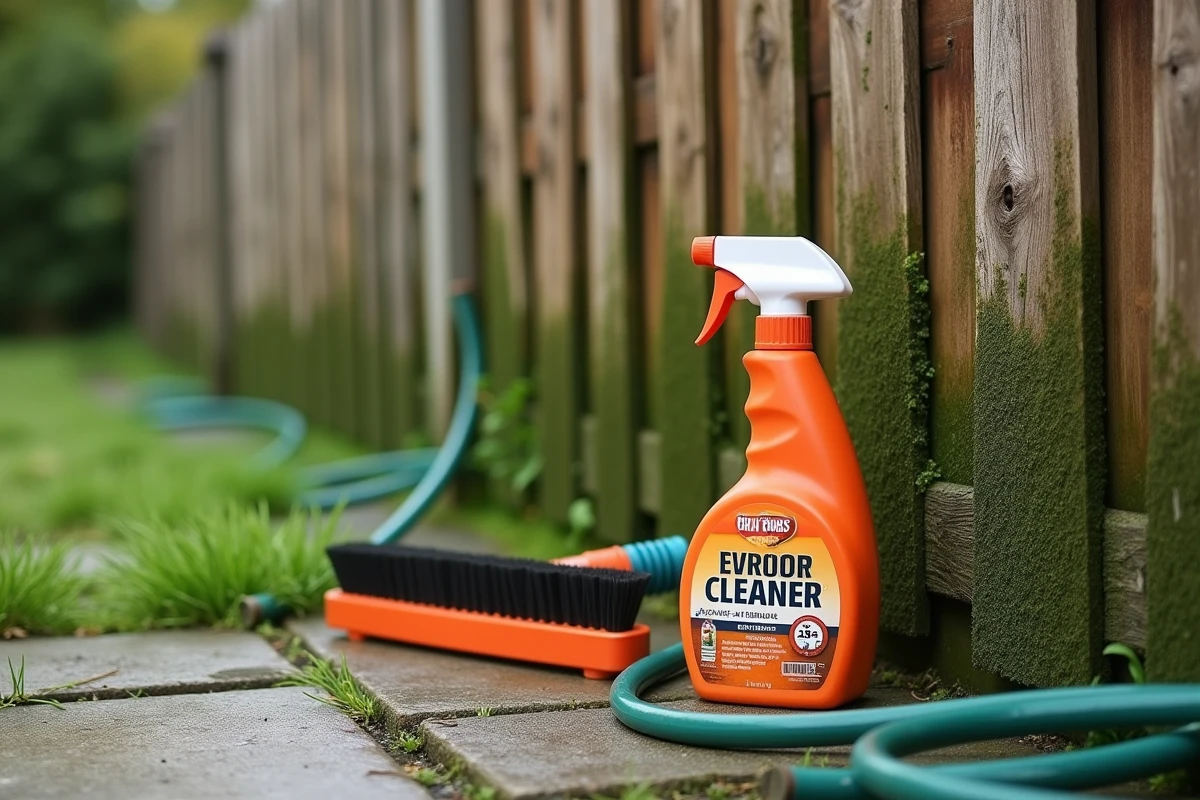
Syntilor offers a ready-to-use cleaner aimed at terraces and garden furniture. The formula includes biodegradable surfactants and carries the European Ecolabel. Application is done with a stiff brush or broom, followed by rinsing with a water jet.
This product is suitable for softwoods and wood-polymer composites. On very dense exotic woods, its action remains superficial. For deep cleaning of heavily soiled teak, it is better to use a concentrated cleaner like N100 or a dedicated brightener.
4. Concentrated liquid black soap (linseed oil formula)
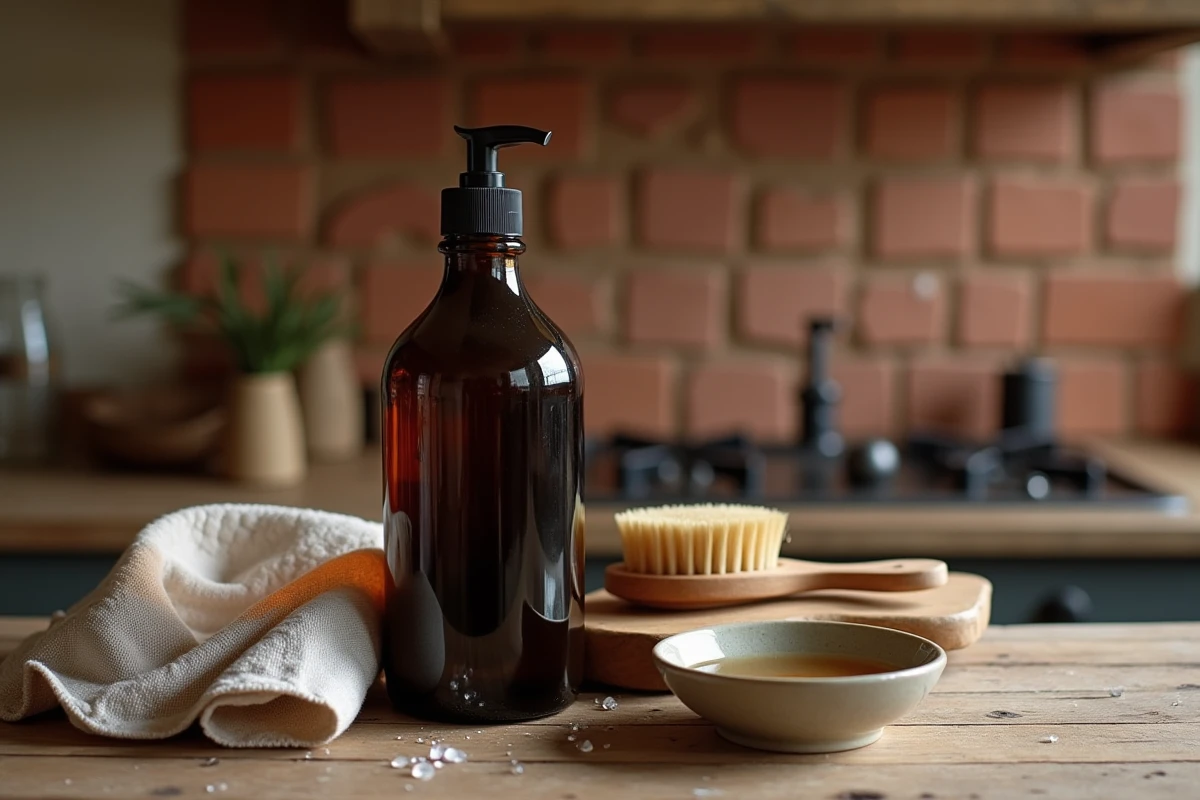
Linseed oil black soap remains a versatile wood cleaner, economical and safe for most finishes. One tablespoon in a liter of warm water is sufficient to clean a waxed piece of furniture, an oiled parquet, or a solid oak table.
Black soap slightly nourishes the wood while degreasing, which distinguishes it from industrial cleaners based on synthetic surfactants. Caution: on untreated raw wood, it may darken the color. On varnished wood, it has no harmful effect but does not provide any nourishment.
5. Axton wood brightener
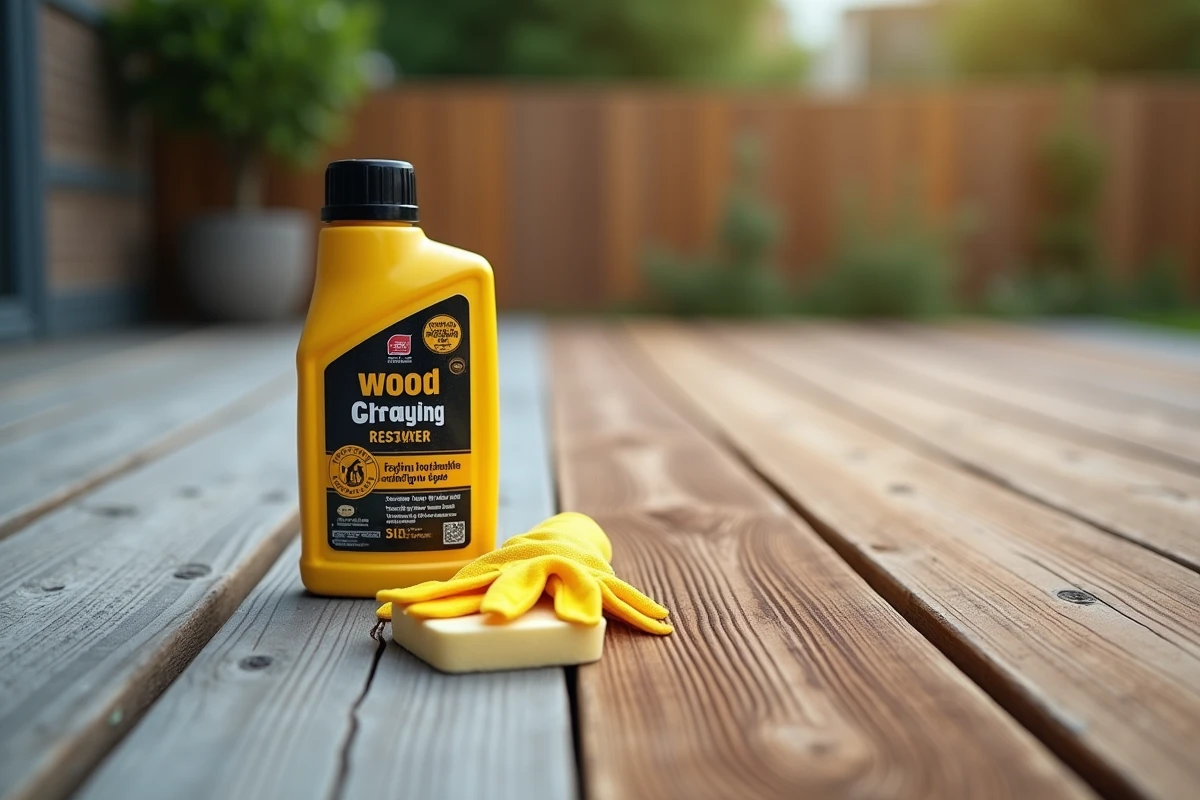
The Axton brightener is designed for outdoor woods that have turned gray due to UV exposure. Its acidic action (generally oxalic acid) restores the original color by dissolving the oxidized lignin layer on the surface. It is applied with a wide brush or sprayer.
A brightener is not a cleaner in the strict sense: it acts after a prior cleaning and before applying a saturator. Using a brightener on dirty wood drastically reduces its effectiveness. Abundant rinsing is mandatory to neutralize residual acidity.
6. Pliz multi-surface wood cleaner
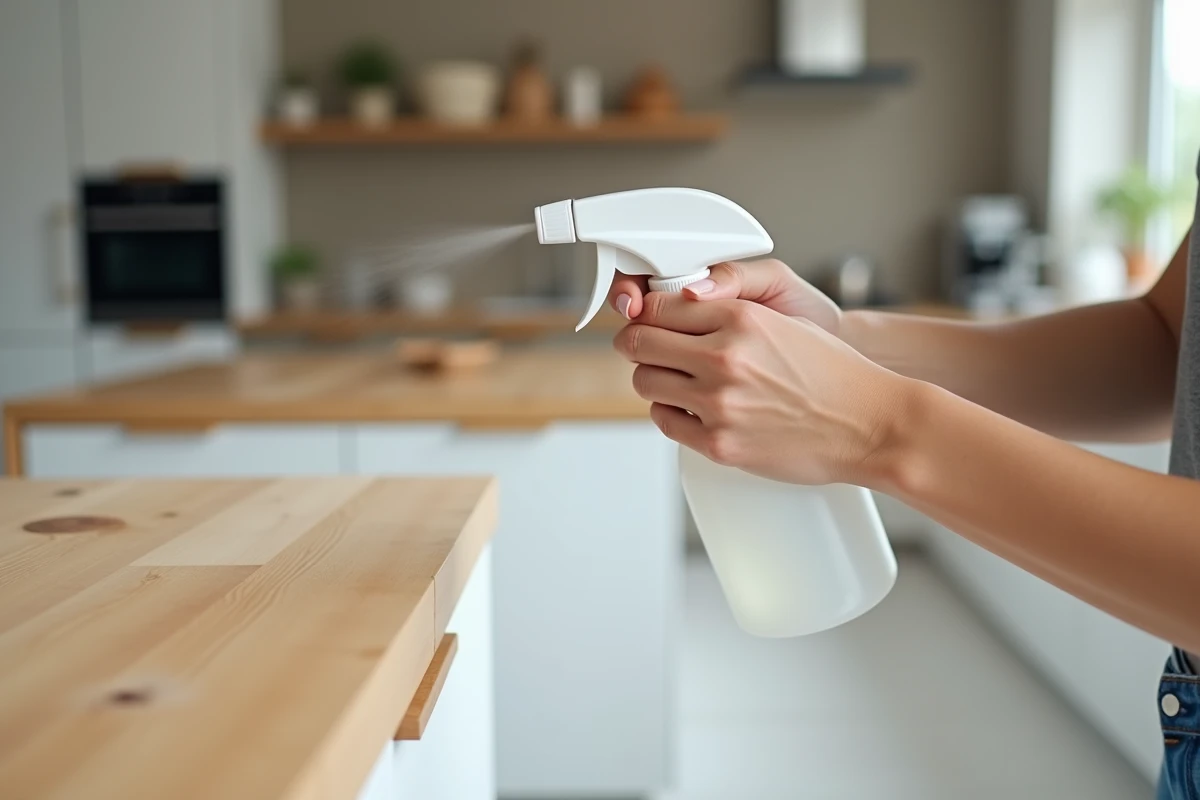
Pliz targets the general public with a ready-to-use spray for furniture, woodwork, and interior doors. The product leaves a slightly glossy film that masks micro-scratches and repels dust.
Its spray format is convenient for quick maintenance with a soft cloth. However, the accumulation of film-forming residues after several applications can dull surfaces. We recommend a thorough cleaning with black soap every three to four months to eliminate these deposits.
7. Teak and exotic wood saturator (Owatrol range)
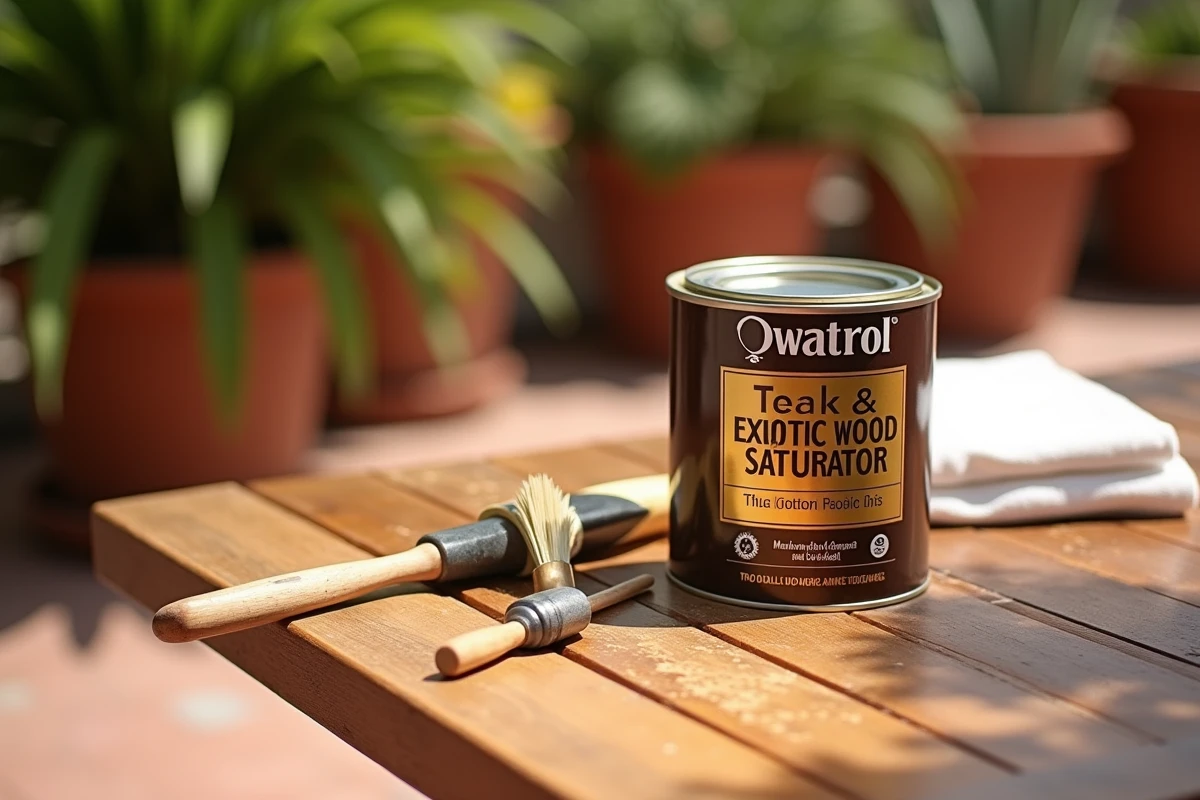
The saturator is not a cleaner but a protective product that we include here because it directly conditions the choice of cleaner beforehand. Wood saturated with an Owatrol product based on modified vegetable oils can only be cleaned with a mild soap or a neutral pH cleaner.
Using an alkaline degreaser on freshly saturated wood dissolves the protective layer. The cleaner-saturator pair should be thought of as a system, not as two independent purchases.
8. Wood degreaser before finishing (Blanchon type)
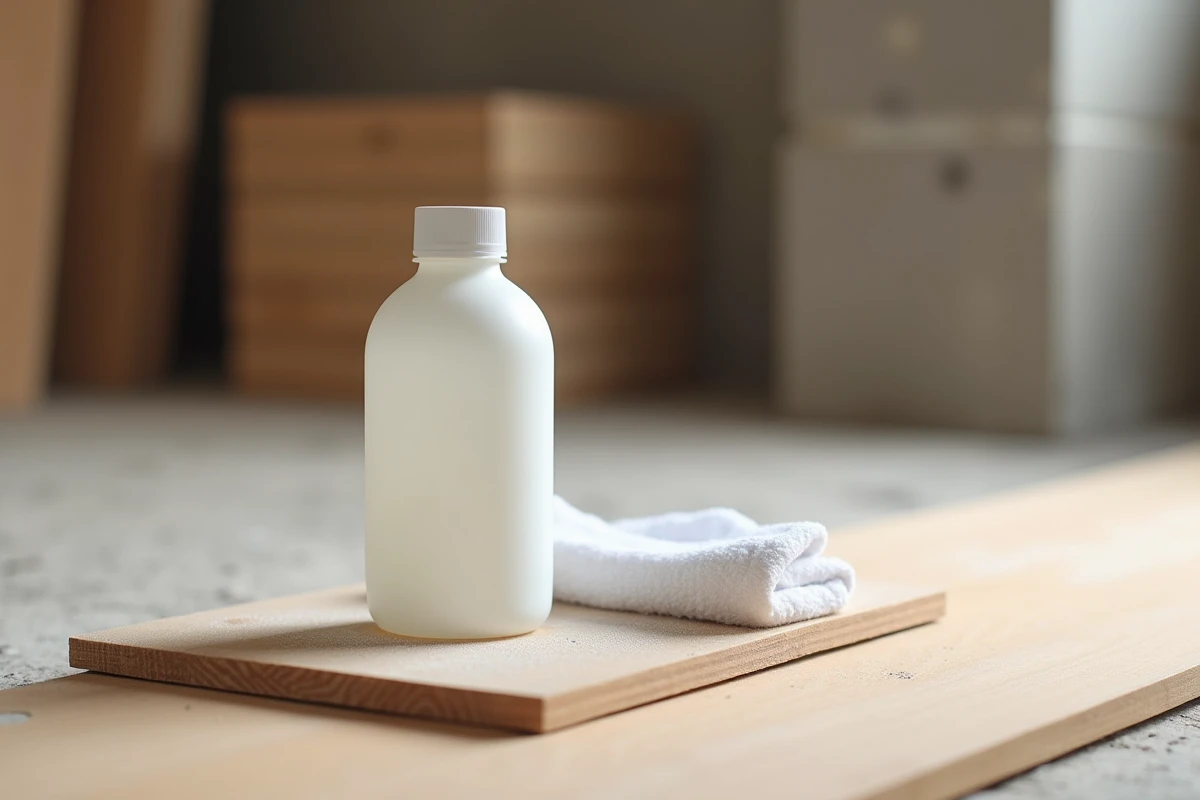
The Blanchon degreaser prepares new or sanded woods before applying a varnish, oil, or stain. It removes natural resins, fingerprints, and handling grease that would compromise the adhesion of the finish.
This type of product is used with a soaked cloth, in a single pass, with a drying time of a few hours. It does not replace sanding but complements it. On softwoods like Douglas or larch, this step is particularly recommended due to frequent resin exudations.
9. Stone and composite wood cleaner (Guard Industrie range)
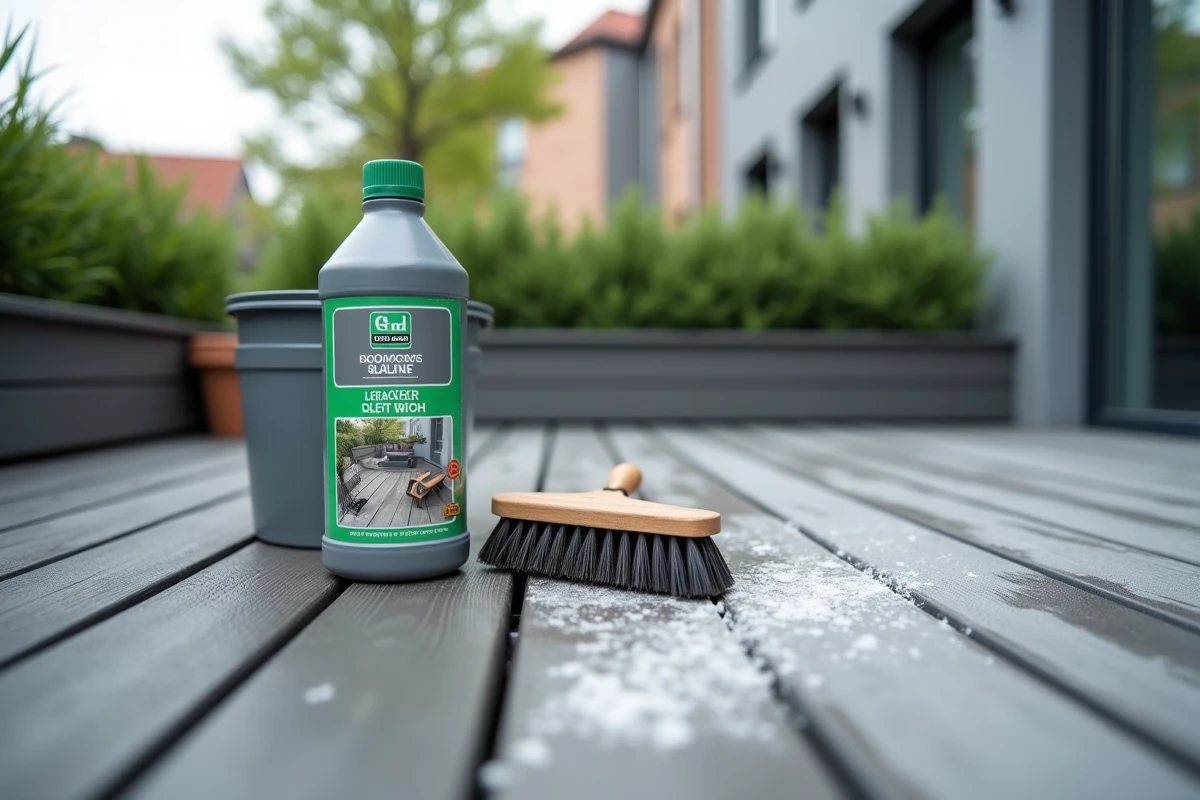
Wood-polymer composite boards are multiplying on terraces. Guard Industrie offers a specific cleaner that respects the polymer matrix while eliminating algae and organic stains. The chlorine-free formula prevents pigment bleaching.
This cleaner also works on reconstituted stone slabs adjacent to wooden terraces, simplifying the product stock. On low-quality composites with a high proportion of wood flour, a preliminary test on a discreet area remains prudent.
10. Diluted white vinegar – the go-to cleaner for indoor wood
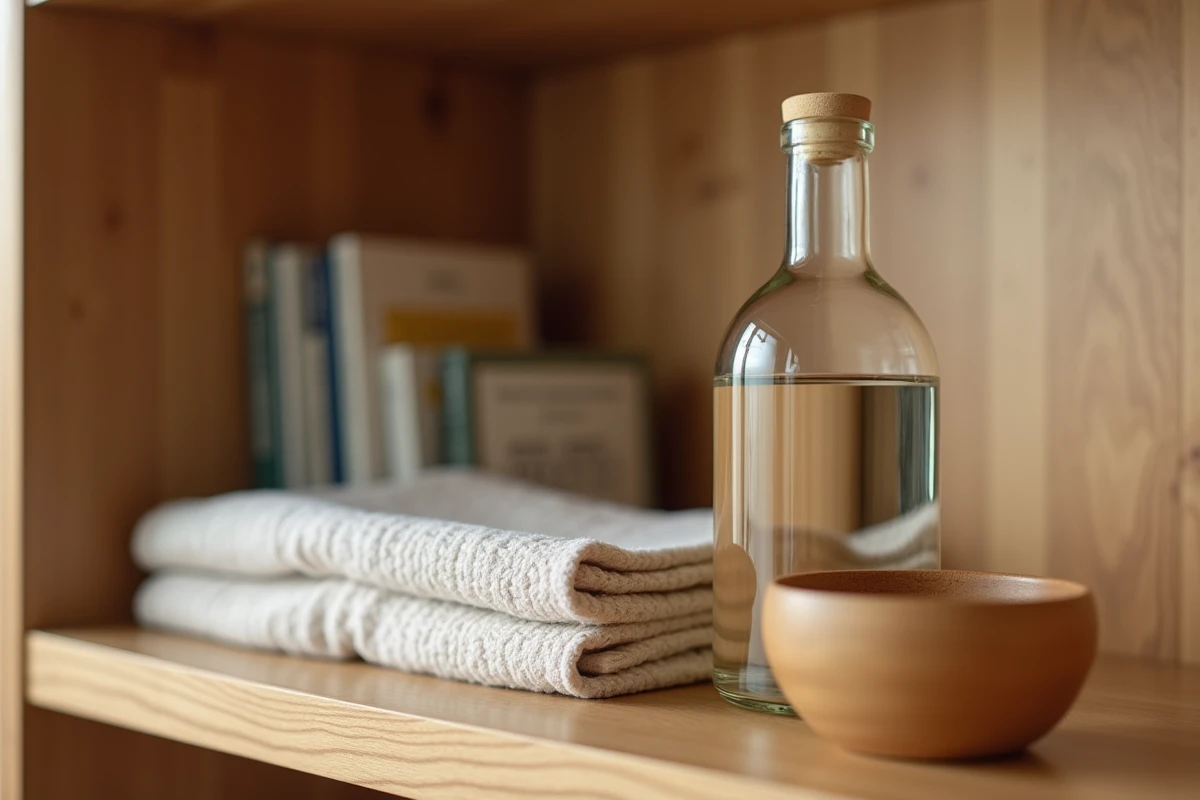
Diluted white vinegar (one part to ten parts water) serves as a go-to cleaner between two complete maintenance sessions on varnished wood furniture or lacquered shelves. Its mild acidity dissolves limescale marks and everyday greasy films.
On waxed or oiled wood, vinegar should be avoided: it attacks the protective layer and causes localized whitening. On raw wood, the same prohibition applies. Diluted white vinegar is only suitable for film-forming finishes (varnish, lacquer) where the surface is sealed.
The choice of a wood cleaner comes down to three parameters: the existing finish, indoor or outdoor use, and compatibility with the protective product applied afterward. Eco-labeled ranges have gained ground since 2024, driven by the reduction of VOCs and the gradual withdrawal of certain biocidal substances in accordance with European Regulation No. 528/2012. Testing a product on a discreet area before full treatment remains the only guarantee against unpleasant surprises.