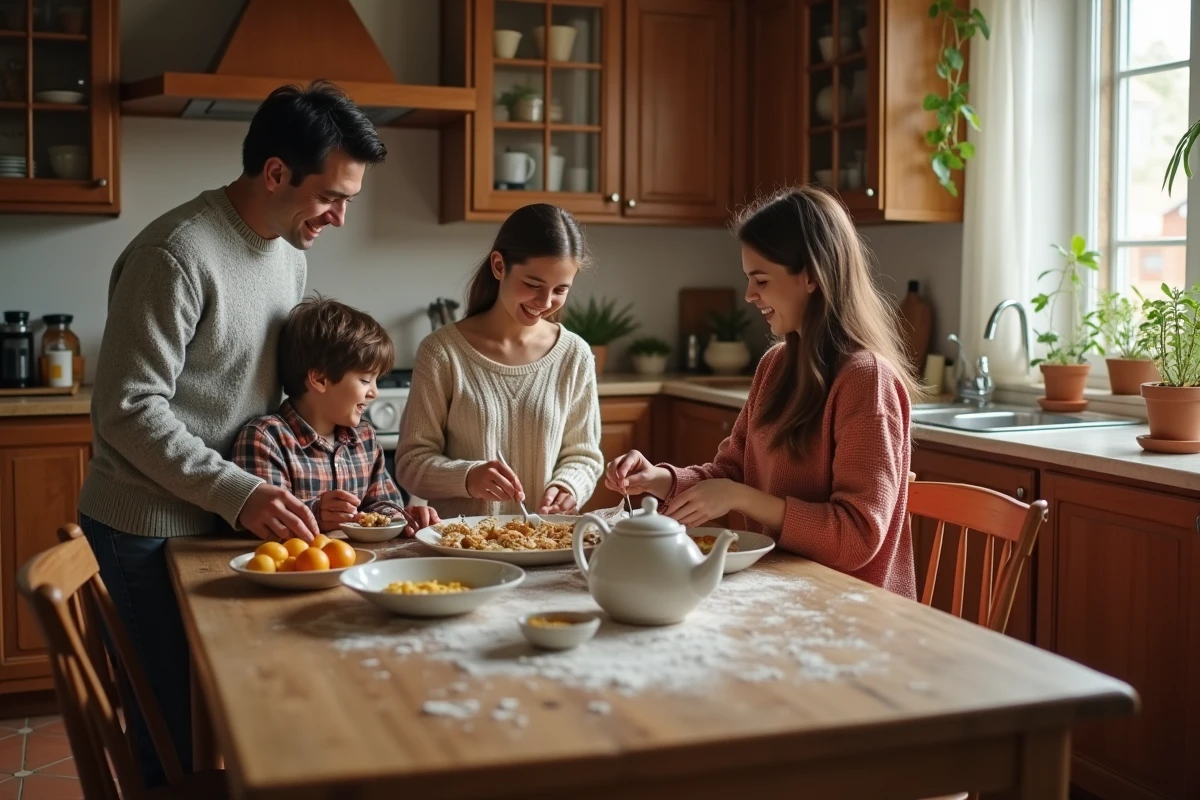
Family ties refer to the quality and frequency of interactions between members of the same household or extended family. Strengthening these ties on a daily basis relies on concrete mechanisms: regular rituals, structured communication, and shared activities that create a lasting sense of belonging.
Digital Parentification: When Family Roles Reverse
A recent phenomenon deserves special attention before discussing rituals or communication. Digital parentification refers to the situation where children and teenagers become the family’s permanent technical support: installing apps, managing online accounts, and completing digital administrative tasks.
This shift in roles has direct effects on family ties. When this help is recognized and valued by parents, it can strengthen the child’s confidence and create a form of positive intergenerational collaboration.
Conversely, when this burden is endured and unrecognized, it correlates with increased resentment and distancing during adolescence. Resources like happy-family.org help identify these dynamics and rebalance responsibilities within the household.
In practical terms, this means thanking a teenager who sets up a grandparent’s tablet, not systematizing this role, and offering in return a skill that the adult masters (cooking, DIY, driving).
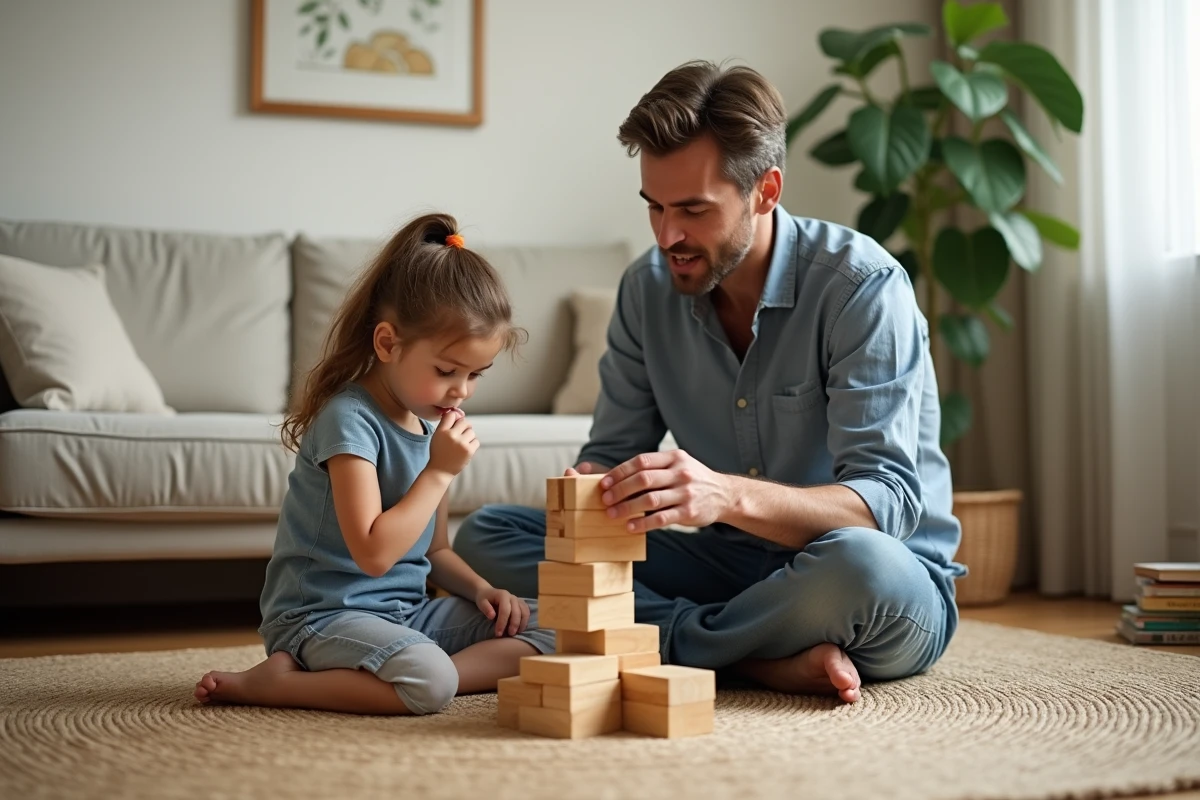
Family Rituals: Structuring Recurring Moments
A family ritual does not need to be elaborate to be effective. Its strength lies in its regularity and predictability. Both children and adults find a temporal reference that stabilizes communal life.
The strongest rituals share three characteristics: they occur at fixed intervals, they involve active participation from each member, and they do not depend on a complex budget or logistics.
- A weekly meal where each person shares a significant moment from their week, without interruption or immediate comment
- A walk on weekends, always on the same route or alternating suggestions from each person
- A board game or card game at a fixed frequency, chosen in turn by a different family member
A common pitfall is to multiply rituals to the point of turning them into obligations. Two or three well-established rituals are better than ten abandoned after a few weeks. If a ritual causes tension or disinterest, it is better to replace it than to maintain it out of principle.
Family Communication: Active Listening and Dedicated Moments
Communication within a family is not limited to exchanging practical information about schedules. It requires a space where each member can express what they feel without fear of judgment.
Active listening, in a family context, translates into specific gestures: putting down your phone, rephrasing what the other just said, asking a clarifying question before giving an opinion. These micro-behaviors, repeated daily, build a sense of emotional security that fosters trust between parents and children.
Limiting Screens During Exchanges
Smartphones represent the main obstacle to quality family communication. Setting screen-free times, for example during meals or in the half-hour following returning home, creates a conducive environment for spontaneous exchanges.
This rule only works if it applies to all members, including adults. A parent checking their notifications during dinner sends a contradictory signal, regardless of what they say otherwise.
Digital Tools for Family Coordination: Usage and Limits
Coordination technologies (shared calendar, family messaging group, collaborative photo album) are associated with a better perception of family cohesion when they are used to organize common moments or celebrate achievements. Sharing a photo of a first drawing, a diploma, or an outing strengthens the bond between geographically distant members.
A study published in 2023 in the Journal of Family Communication by Mellor et al. highlights that these tools weaken ties when they primarily serve to remind obligations or resolve conflicts. A family group that only contains reminders of medical appointments and complaints becomes a source of tension rather than a space for connection.

- Use the family group to share photos, anecdotes, or congratulations rather than instructions
- Create a collaborative photo album where each generation adds their contributions
- Reserve conflictual subjects for face-to-face conversations or voice calls, never through written messages
Shared Activities Across Generations
Board games, reading aloud, or cooking together remain among the most effective activities to strengthen relationships between parents, children, and grandparents. Their main advantage is that they place all participants on an equal footing, regardless of age.
A child teaching a recipe to a grandparent, or a teenager explaining the rules of a recent game to their parents, reverses the usual authority dynamic. These moments of reciprocal transmission create a shared family memory, more lasting than passive activities like watching a screen together.
The choice of activity matters less than the regularity and involvement of everyone. A simple activity practiced every week has more impact than an exceptional quarterly outing.
Family ties are built through the accumulation of ordinary gestures, not through spectacular events. A shared meal without phones, a question asked with attention, a photo sent in the family group for fun: these micro-actions, repeated over months, form the concrete fabric of family cohesion.