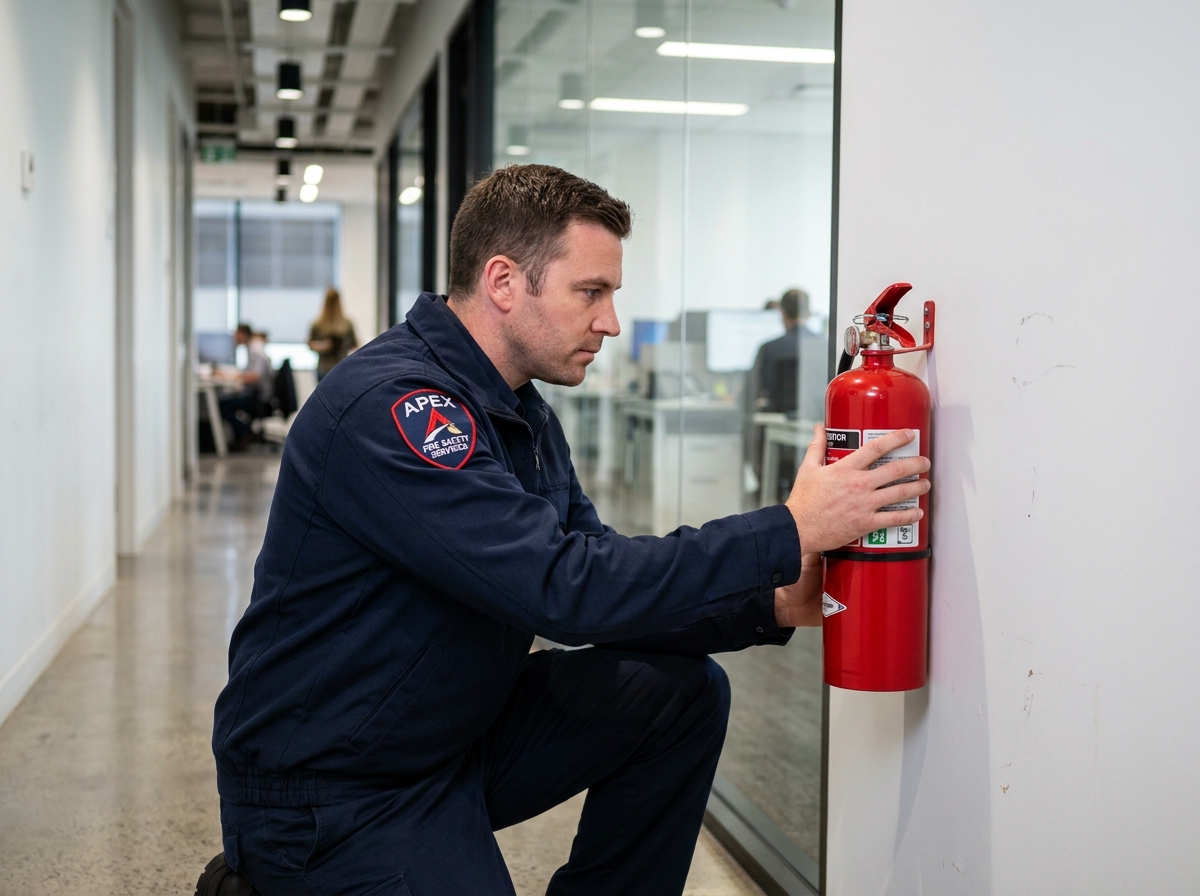
Choosing a fire safety company involves ensuring the regulatory compliance of a building, insurance coverage, and, in the event of a disaster, the protection of occupants. Several criteria can help differentiate providers based on verifiable grounds: certifications issued by third-party organizations, the technical scope covered, and the ability to document each intervention. This article analyzes the concrete indicators that separate a reliable provider from a mere installer.
Cybersecurity of Fire Safety Systems and Remote Maintenance: A Common Blind Spot
Remote monitoring of fire safety systems (SSI) via building management platforms (GTB/GTC) has been growing due to rising operating costs. This remote maintenance reduces diagnostic times, but it opens up a cybersecurity attack surface that most selection guides do not address.
A provider offering remote management must be able to explain how they handle access authentication, event logging, and network segmentation between the SSI and the rest of the infrastructure. Without these guarantees, remote monitoring can become a vector for failure rather than a tool for reliability.
During selection, it is pertinent to verify whether the provider applies documented cybersecurity protocols. Any fire safety company operating on a connected commercial building should present an IT security notebook just like a traditional maintenance notebook.
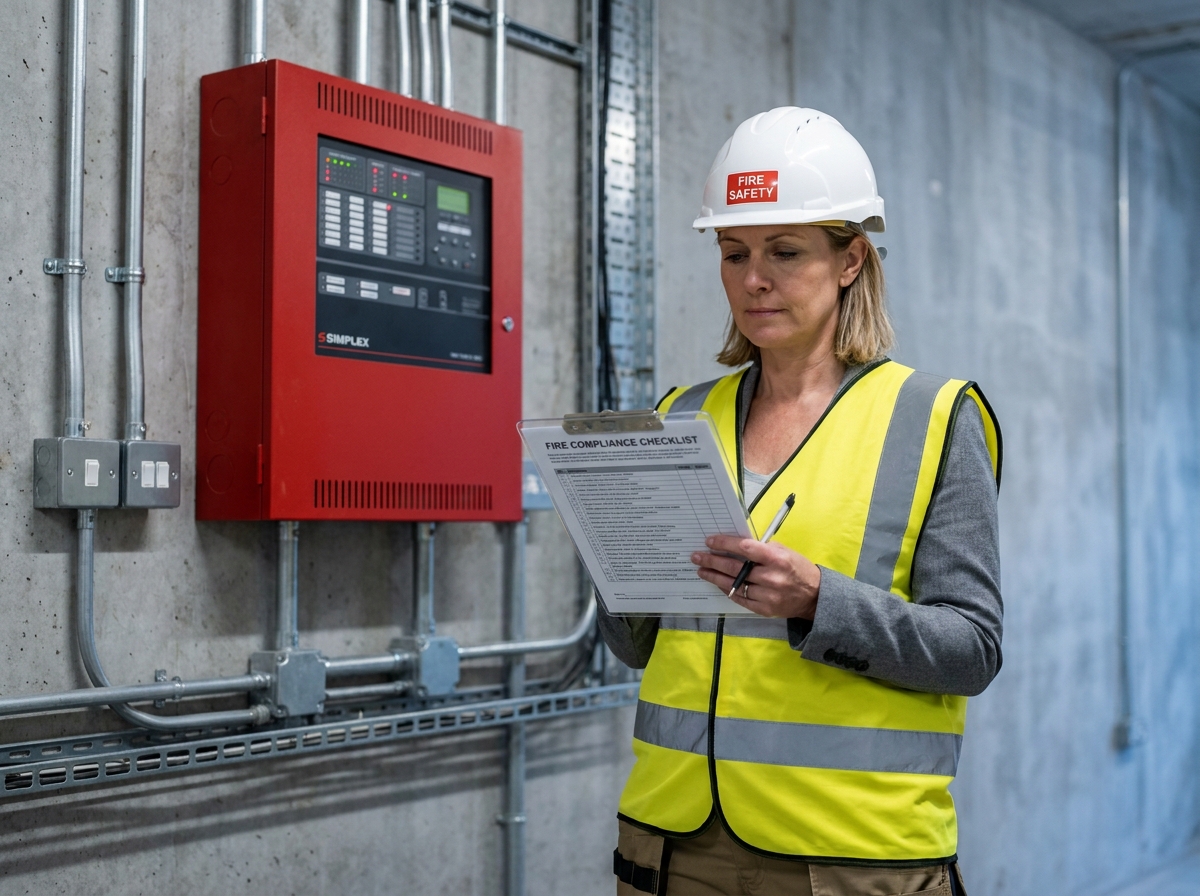
APSAD Certifications and CE Certificates: Comparative Table of Guarantees
Two families of documents allow for an objective evaluation of a provider: professional certifications and regulatory certificates related to the installed products.
| Type of Guarantee | Organization / Standard | What It Covers | Impact for the Client |
|---|---|---|---|
| APSAD NF Service Certification | CNPP (I7/F7, R4, P5 standards) | Automatic detection, sprinklers, maintenance | Recognized by insurers, may condition the premium |
| CE Performance Certificate | Construction Products Regulation (CPR) No. 305/2011, EN 54 standard | Compliance of fire detection components | Proof that the equipment has been tested by a notified laboratory |
| NF S61-933 Standard | AFNOR | Maintenance of SSIs | Frames periodic verification operations |
The APSAD certification is a marker of reliability used by insurers to condition their fire protection requirements. A provider holding the I7/F7 (automatic detection) or P5 (maintenance) standards has been audited by the CNPP regarding its skills, technical means, and internal organization.
In contrast, the CE certificate pertains to the products themselves, not the installer. A provider can install EN 54 certified equipment without being APSAD certified themselves. Checking both levels helps avoid confusing the quality of the equipment with the competence of the provider.
Discrepancies Between Certified and Non-Certified Providers on the Ground
Feedback from safety commissions and insurers indicates an increase in incidents related to maintenance defects, particularly when the selected companies lack third-party certification. Three areas concentrate the most visible discrepancies:
- Traceability of interventions: a certified provider maintains a documented safety register for each visit, with timestamps, nature of checks, and noted anomalies. Without this traceability, safety commissions report non-compliance during their periodic visits.
- Technical scope covered: some providers limit themselves to installing extinguishers or detectors, without mastering natural or mechanical smoke extraction or SSI controls. A scope that is too narrow forces the multiplication of providers, which fragments responsibility in the event of a disaster.
- Response times and on-call duty: the ability to guarantee a documented response time (with contractual penalties in case of overruns) distinguishes organized structures from occasional providers. A contract without an on-call clause is a warning signal for any ERP or building receiving personnel continuously.
What Insurers Check First
During a post-incident audit, insurers first examine the validity of the APSAD certificate, then the safety register. If the register is incomplete or if maintenance has not been carried out according to the NF S61-933 standard, the coverage of the incident may be contested.
This point should be clearly stated during the bidding process: the provider must commit in writing to the compliance of their interventions with the applicable standard and to the systematic updating of the safety register.
Questionnaire to Evaluate a Fire Safety Provider
Rather than relying on a sales brochure, a structured questionnaire allows for comparing the responses of several providers on an identical basis. The following points deserve a written response:
- Does the provider hold a valid APSAD certification? If so, for which standards (I7/F7, R4, P5)?
- Can they provide the CE performance certificates for the equipment they install, along with test reports from notified laboratories?
- What is their cybersecurity protocol for the remote maintenance of SSIs (authentication, logging, network segmentation)?
- Do they offer on-call duty with contractual response times and penalties?
- What types of buildings have they already equipped (ERP, IGH, industrial sites, tertiary)? Are verifiable references available?
A provider who refuses to respond in writing to these questions does not offer the level of transparency expected for a fire safety market.

Fire Safety and Provider Selection: Structuring the Decision
In the security sector, several companies position themselves with varied approaches and scopes. dpsa sécurité, present online via its website dpsa-securite.fr, is among the players whose field of activity covers the protection of property and people. During a selection process, identifying these companies and examining their positioning allows for creating a list of candidates to question.
Each structure having its specificities, the questionnaire presented above remains the best tool to objectify the comparison between providers.
Prioritizing Criteria According to the Type of Building
An ERP receiving the public and an industrial site do not present the same requirements. For an ERP, compliance with the safety commission’s opinions and the updating of the safety register take precedence. For an industrial site, the coverage of smoke extraction and sprinkler systems weighs more heavily in the evaluation.
The choice of a fire safety provider relies on verifiable documents: APSAD certifications, CE certificates, an up-to-date safety register, documented cybersecurity protocols. Cross-referencing these elements with the actual technical scope of the provider and their references on buildings comparable to yours remains the most reliable method to eliminate insufficiently structured candidates.